
Why Do Windows Have Condensation Inside?
Ready to get Your New Windows?
Window World offers free in-home consultations! Click below to schedule today!
Get started!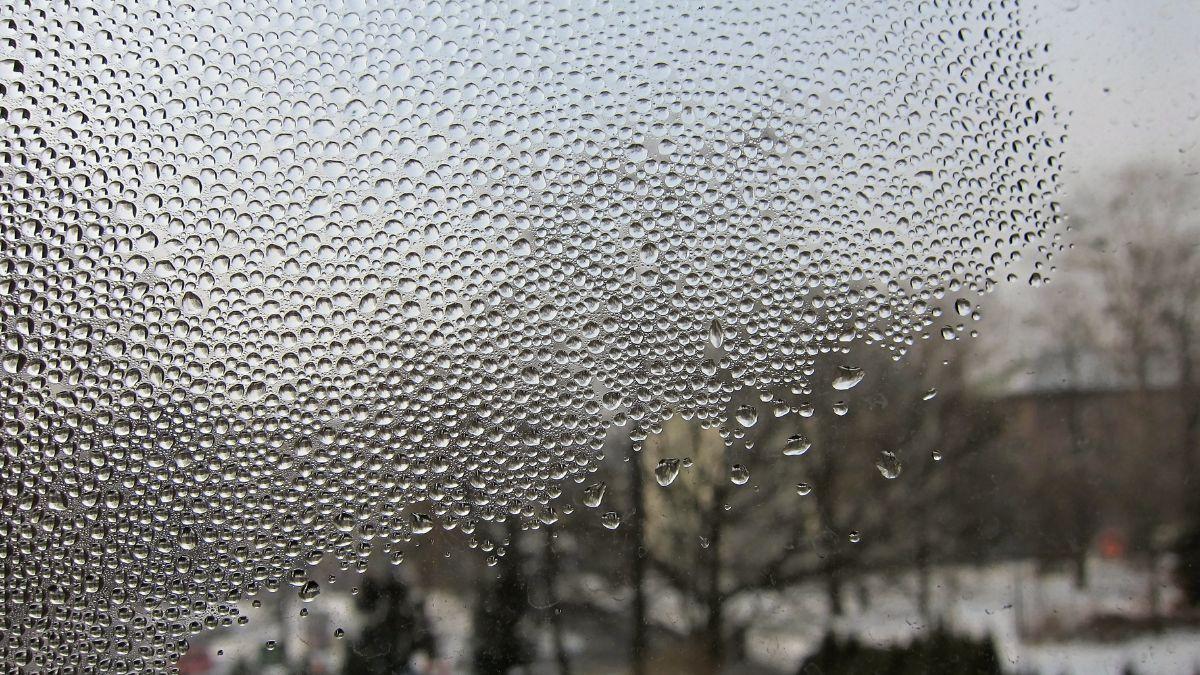
Window condensation occurs when moisture in the air comes into contact with a cooler glass surface. Depending on where the condensation appears and how often it occurs, it may be completely normal or a sign that further investigation is needed. Understanding what causes window condensation, when it should be expected, and when it may indicate a larger issue can help homeowners protect their homes and make informed decisions about their windows.
Key Takeaways
-
Window condensation forms when warm, moisture-filled air meets a cooler glass surface.
-
Some condensation is normal, especially during colder months.
-
Indoor humidity levels play a significant role in condensation formation.
-
Condensation on the surface of the glass is different from moisture trapped between panes.
-
Persistent moisture can lead to mold, mildew, and damage to surrounding materials.
-
Fog between panes may indicate a failed window seal.
-
Managing humidity and improving ventilation can help reduce condensation.
-
A window professional can help determine whether repair or replacement is necessary.
At its core, window condensation is a simple science phenomenon. Warm air can hold more moisture than cold air. When warm, humid air comes into contact with a cooler surface, such as window glass, the air cools and loses some of its ability to hold moisture. That excess moisture then appears as water droplets on the glass.
A good comparison is a cold glass of water sitting outside on a summer day. The water droplets that form on the outside of the glass are not leaking from inside the cup. Instead, moisture from the surrounding air is condensing on the cooler surface. The same process occurs on windows when temperature and humidity conditions are right.
The amount of condensation that develops can vary based on indoor humidity levels, outdoor temperatures, airflow, and the overall performance of the window.

Is Condensation on Windows Normal?
Many homeowners are surprised to learn that some window condensation is perfectly normal.
Homes naturally generate moisture throughout the day. Every time someone cooks a meal, takes a shower, runs a load of laundry, waters plants, or simply breathes, humidity is added to the air. In a modern home that is designed to be energy efficient, that moisture often remains inside longer than it would have in older, draftier homes.
Because of this, occasional condensation on windows does not automatically mean the windows are failing. In fact, condensation can sometimes indicate that the home is effectively retaining conditioned air. The important factor is determining whether the condensation is occasional and temporary or persistent and excessive.

Why Is Window Condensation More Common in Winter?
Condensation tends to become much more noticeable during the winter months because the temperature difference between indoor and outdoor environments is greater.
When outdoor temperatures drop, window glass becomes colder. At the same time, heating systems keep indoor air warm and comfortable. As that warm, moisture-filled air comes into contact with the colder glass, condensation forms.
This is why homeowners often notice condensation early in the morning or during periods of particularly cold weather. The colder the glass surface becomes and the higher the humidity level inside the home, the greater the likelihood that condensation will develop.
While some moisture is expected under these conditions, heavy or constant condensation may indicate that indoor humidity levels are too high.
The Hidden Sources of Indoor Humidity
Many homeowners underestimate just how much moisture is created through everyday activities.
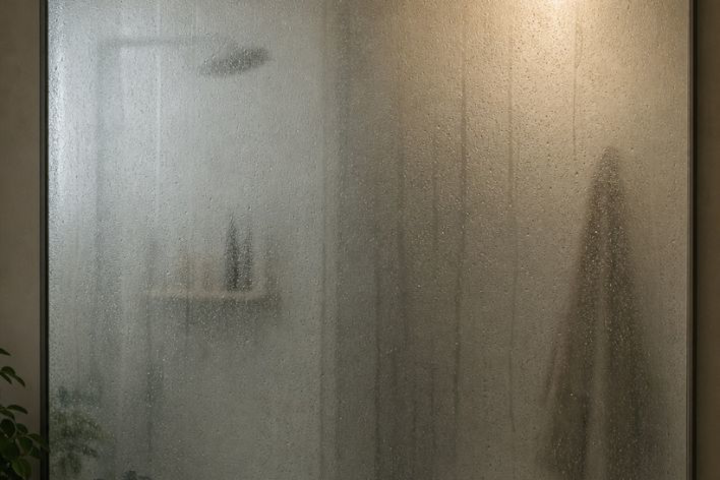
Cooking releases steam into the air, hot showers generate significant humidity, and laundry can add moisture throughout the home. Even houseplants contribute moisture through a process called transpiration. When several people live in the same home, normal breathing and daily activity can add a surprising amount of humidity as well.
These moisture sources are not necessarily problematic on their own. However, when humidity builds up faster than it can be removed through ventilation, condensation often becomes more noticeable on windows and other cool surfaces throughout the home.
Condensation on Glass vs. Moisture Between Panes
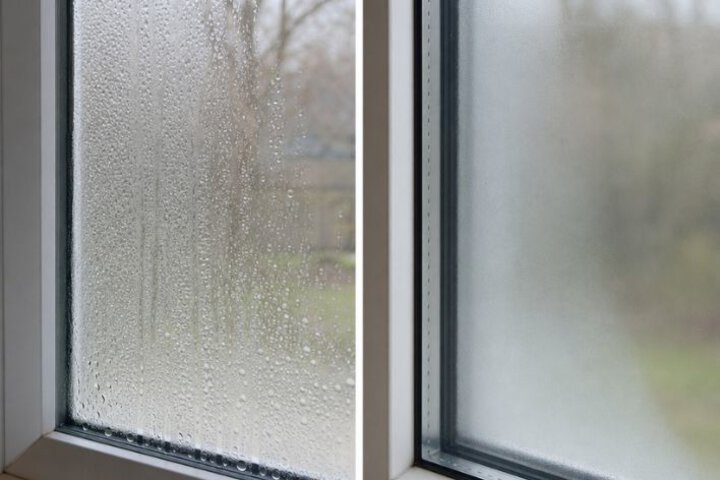
One of the most important distinctions homeowners should understand is the difference between condensation on the interior surface of the glass and moisture trapped between the panes.
Condensation that appears on the room-facing side of the glass is typically related to humidity levels within the home. While it can be inconvenient, it is usually a sign that warm, moist indoor air is meeting a cooler surface.
Moisture trapped between panes of glass is a different situation entirely.
Modern replacement windows use insulated glass units that contain multiple panes sealed together. These sealed spaces are designed to provide insulation and improve energy efficiency. If the seal surrounding the glass unit fails, outside air and moisture can enter the space between the panes.
When this happens, homeowners often notice a persistent foggy appearance that cannot be wiped away from either side of the glass. Unlike ordinary condensation, this type of moisture generally indicates a failed seal that should be evaluated by a professional.
Signs You May Have a Failed Window Seal
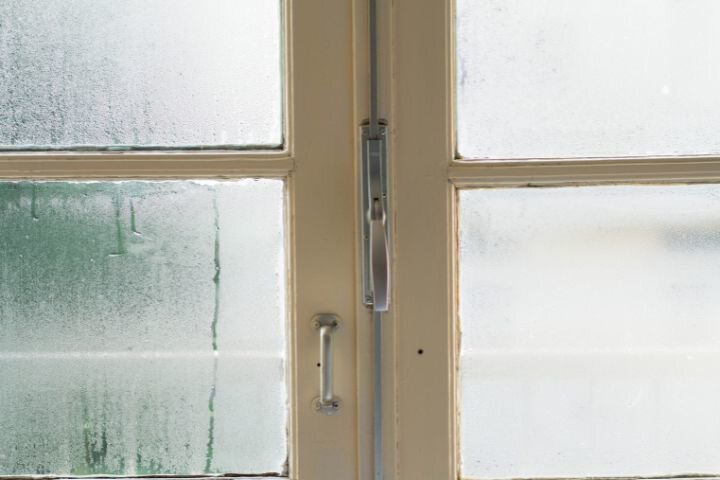
A failed window seal often presents differently than standard condensation. Instead of moisture appearing on the accessible surface of the glass, homeowners may notice a cloudy appearance, fogging between panes, or condensation that remains visible regardless of weather conditions.
Over time, the glass may appear increasingly hazy, making it difficult to enjoy clear views outside. In some cases, moisture becomes trapped inside the insulated glass unit and never fully disappears.
Because a failed seal can impact both visibility and energy efficiency, it is generally worth having the window inspected to determine the best course of action.

How to Reduce Window Condensation
Reducing condensation often begins with controlling indoor humidity levels.
Simple steps such as using bathroom exhaust fans during showers, running kitchen ventilation while cooking, and maintaining proper airflow throughout the home can make a noticeable difference. Opening blinds and curtains can also help warm air circulate around the glass rather than becoming trapped against the window surface.
In homes where humidity remains consistently high, a dehumidifier may help remove excess moisture from the air. Regular HVAC maintenance can also support proper airflow and humidity control throughout the home.
While these measures may not eliminate condensation completely during extreme weather conditions, they can significantly reduce its frequency and severity.
When Should Homeowners Be Concerned?
A small amount of condensation that appears occasionally is rarely cause for concern. However, persistent moisture should not be ignored.
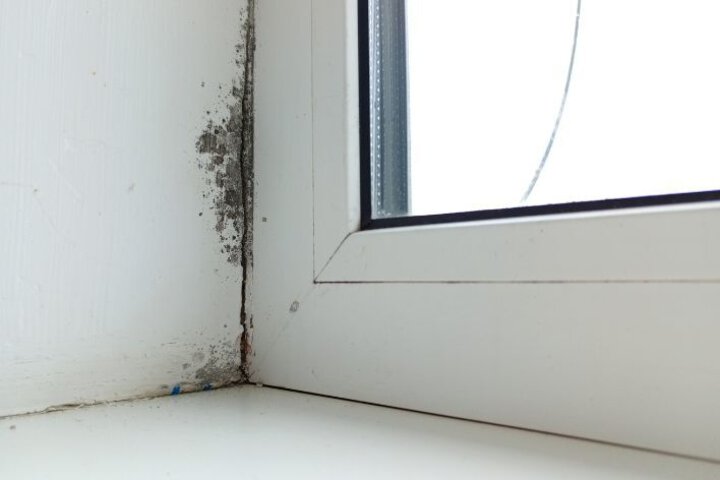
When condensation remains on windows for extended periods, it can begin affecting surrounding materials. Wood trim may absorb moisture, paint can begin to deteriorate, and mold or mildew may develop in areas where moisture repeatedly accumulates. Curtains, blinds, and nearby drywall can also experience damage over time.
If condensation is occurring regularly, appears excessive, or is contributing to damage within the home, it may be time to investigate the underlying cause.

Why Is There Moisture Between My Window Panes?
When condensation or fog appears between the panes of glass, it is often a sign that the insulated glass unit's seal has failed. Once that seal is broken, moisture can enter the space between the panes, creating the cloudy or hazy appearance many homeowners notice.
Unfortunately, a failed window seal cannot typically be repaired to restore the window to its original performance. The insulating gas that was sealed between the panes cannot simply be pumped back into the window, and the factory seal itself cannot be recreated in the home.
Depending on the age and condition of the window, homeowners may be able to replace the insulated glass unit in certain situations. However, if the window is older or showing signs of wear beyond the seal failure, replacing the entire window may be the most practical long-term solution.
Every situation is unique, which is why a professional assessment is often the best way to determine the most effective and cost-efficient solution.

When to Contact a Window Professional
If you are noticing persistent condensation, moisture between panes, or signs of damage around your windows, consulting a window professional is a smart next step.
An experienced window specialist can evaluate the condition of the glass, seals, and frame to determine the source of the problem. From there, they can recommend whether simple humidity management, repair, or full window replacement is the most appropriate solution for your home.

The Bottom Line on Window Condensation
Window condensation is a common occurrence that often results from normal household humidity interacting with cooler glass surfaces. While some condensation is expected, especially during winter, understanding the difference between ordinary surface moisture and signs of a failed window seal is important for protecting your home's comfort and efficiency.
If condensation becomes excessive, persistent, or appears between the panes of glass, having your windows evaluated by a trusted professional can help identify the cause and provide peace of mind.
Frequently Asked Questions About Window Condensation
-
Condensation forms when warm, humid indoor air comes into contact with cooler glass surfaces. As the air cools, it releases moisture that appears as water droplets on the window.
-
Not necessarily. Surface condensation is often related to indoor humidity levels and can occur even on high-quality windows. However, moisture trapped between panes may indicate a failed seal.
-
Winter temperatures make window glass colder, increasing the likelihood that moisture in warm indoor air will condense when it touches the glass.
-
Improving ventilation, reducing indoor humidity, using exhaust fans, and maintaining proper airflow throughout the home can help reduce condensation.
-
Fog between panes is often caused by a failed seal in an insulated glass unit, allowing moisture to enter the space between the glass panes.
-
The best solution depends on the age and condition of the window, the extent of the damage, and whether the seal failure has affected other components of the window system.
Replacing your windows is a major investment, and understanding your options can make the process feel much more manageable. At Window World, we help homeowners navigate everything from window replacement cost and installation considerations to materials, styles, and energy-efficient options. Whether you’re planning a small update or a full-home replacement project, our team is here to help you find solutions that fit your home, lifestyle, and budget. When you’re ready to take the next step, request a free quote or find a Window World location near you to explore your options.