
Window World Support
Watch how-to videos. Explore FAQs, or ask our customer service team a question. Window World is here to help.
Helpful Tips
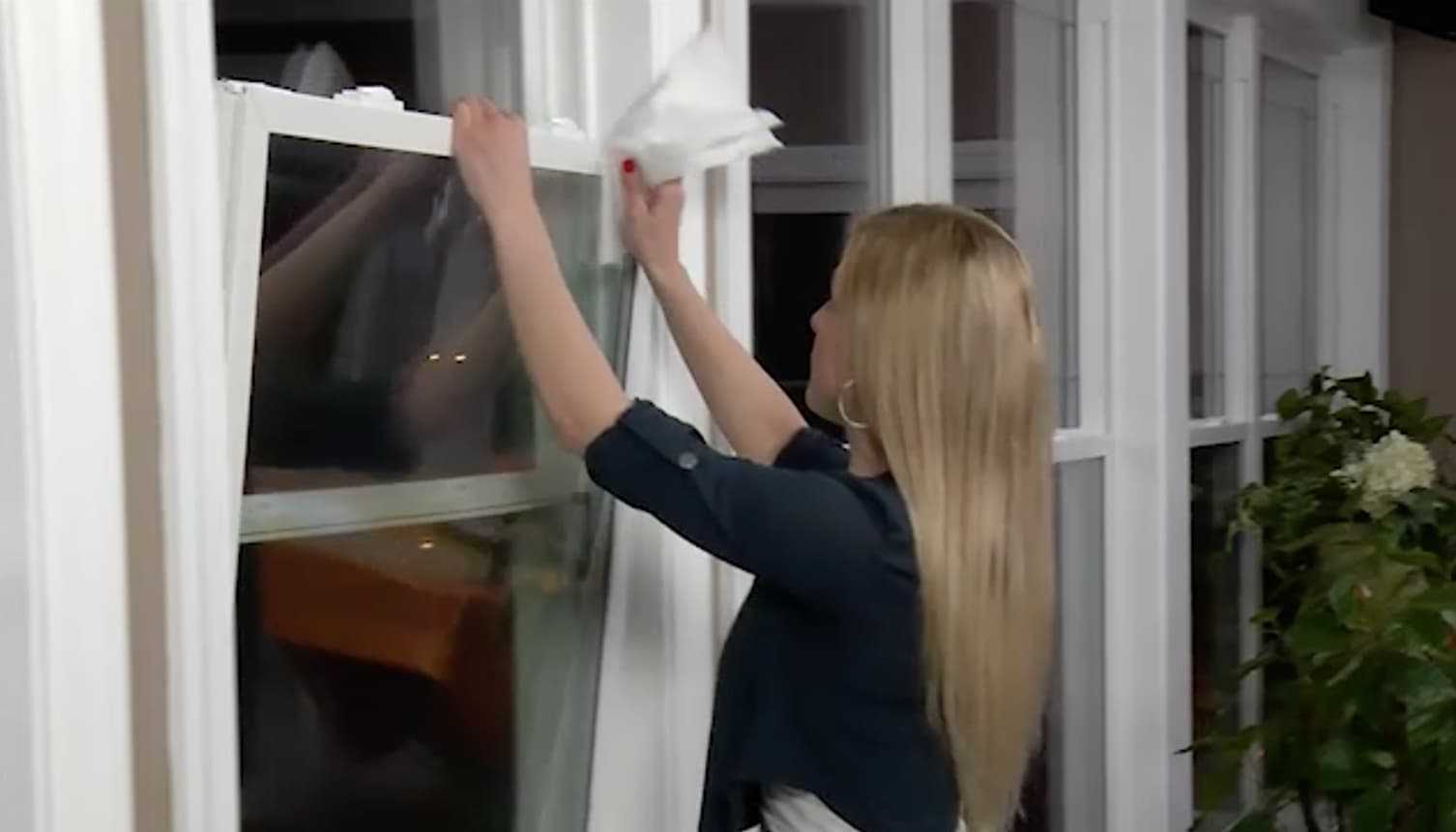
These how-to videos will help make operating and maintaining your Window World product easy.
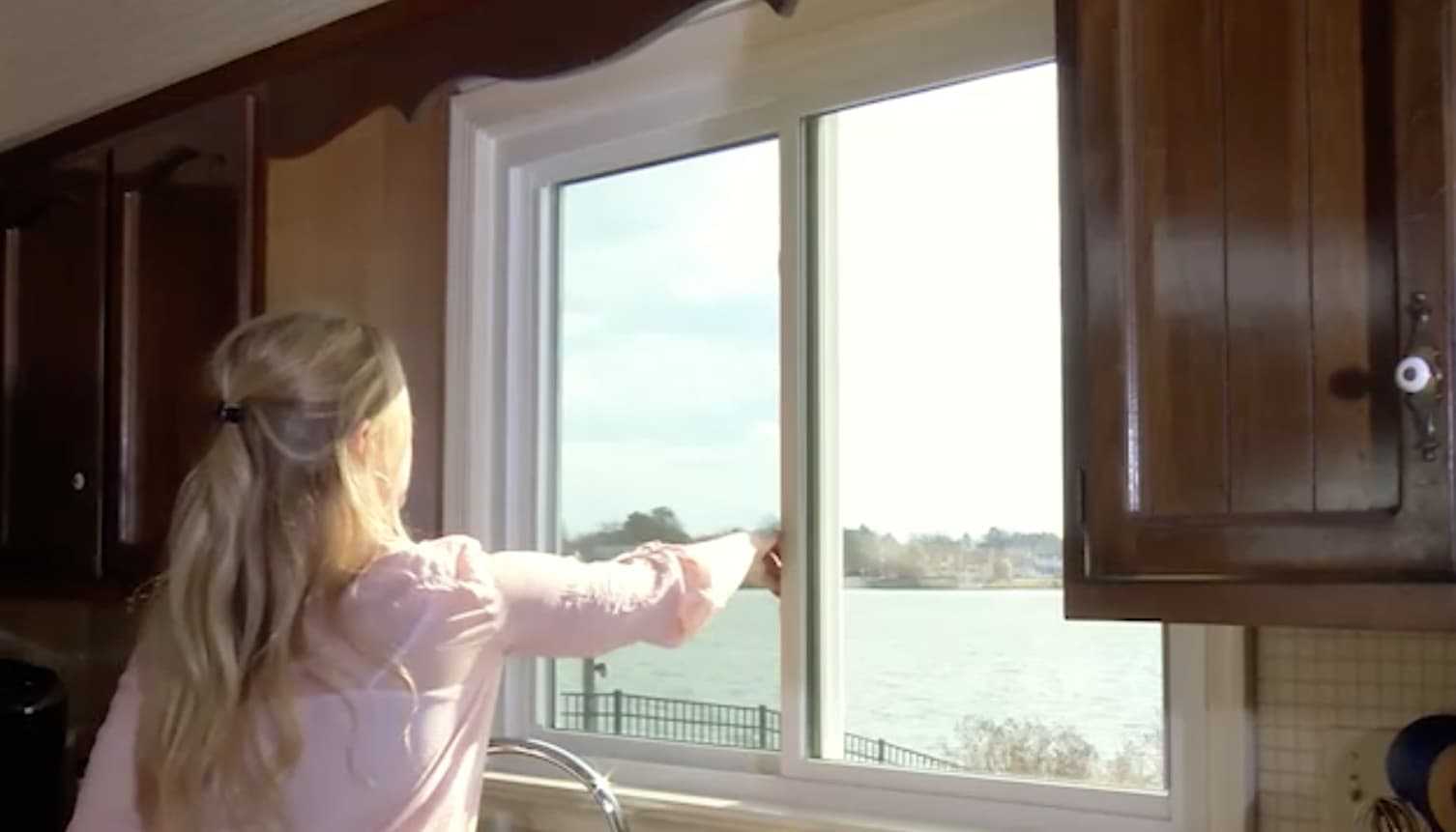
Do you have specific questions about operating and maintaining your new windows? Get in touch with our support team.
If you have questions, we have answers.
Frequently Asked Questions
-
We offer a variety of payment methods and financing options* depending on promotional period. Please contact us for more information regarding available options.
*Subject to credit approval.
-
The majority of our replacement windows are installed from the outside. In some situations it may be necessary to install from the inside. On the day of installation, your installation expert will assess your unique situation and explain the process that will best suit your home.
-
Window World installs replacement windows year-round. An average installation will take only one day. Our crews install one window at a time and are trained to do what they can to minimize heating/cooling loss. The energy savings from your new windows will recover any incremental energy costs incurred during their installation many times over during their lifetime.
-
Please take down curtains, blinds, or any other window treatments. Security sensors should also be removed and turned off by your security company. Please provide our installation expert with a clear path to the window(s) being replaced by moving anything that may be in the way. It is also advisable to remove all wall decorations from the walls close to the windows as they may fall during removal or installation.
-
Since every window ordered is custom-built to fit your home and design choices, manufacturing times vary. Once delivered, the type of window being installed and the type being removed help determine the amount of time needed to complete the job. On average, each window takes about 30 minutes. Trim work and cleanup will require additional time to complete. An average job will take a single day.
-
All windows and patio doors we sell come with a manufacturer’s lifetime limited warranty, good for as long as you own your home! Contact us or see our warranties page for more details.
-
After installing your new replacement windows we remove all old windows from your property and dispose of them properly. If you wish to keep your old windows or storm windows, please notify the installation crew as soon as it arrives for your installation.
-
Most of the issues encountered by our customers are easily corrected and don't necessarily mean that there is a problem with your window. You are always welcome to contact us for help.
-
At Window World, it's our goal for each and every one of our customers to feel comfortable throughout their home improvement experience. We try to always explain any construction concepts in terms everyone will know when we're in the home, but we also like to make definitions available in advance. If there are any concepts you'd like to read up on as you research your options, feel free to download our Industry Terms document.